

3D Mesh Fence
Product Information: Steel Fence
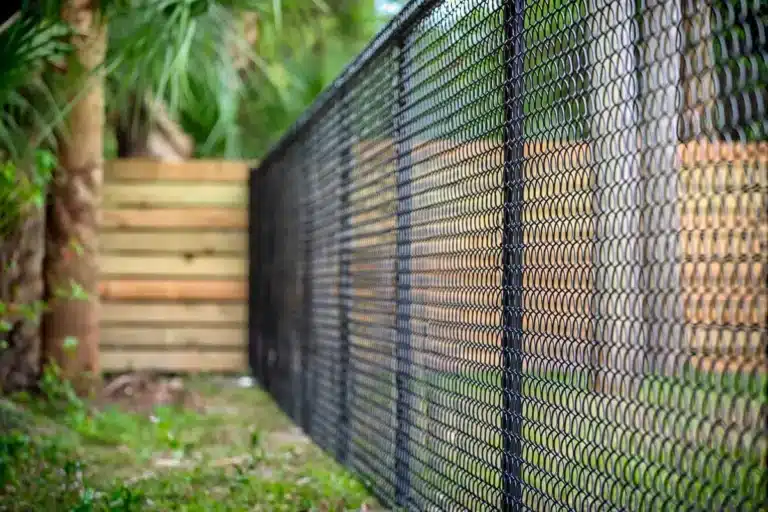
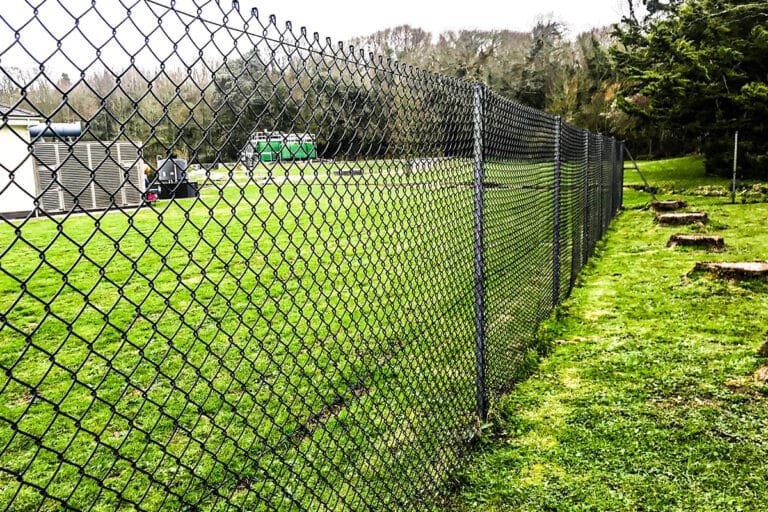
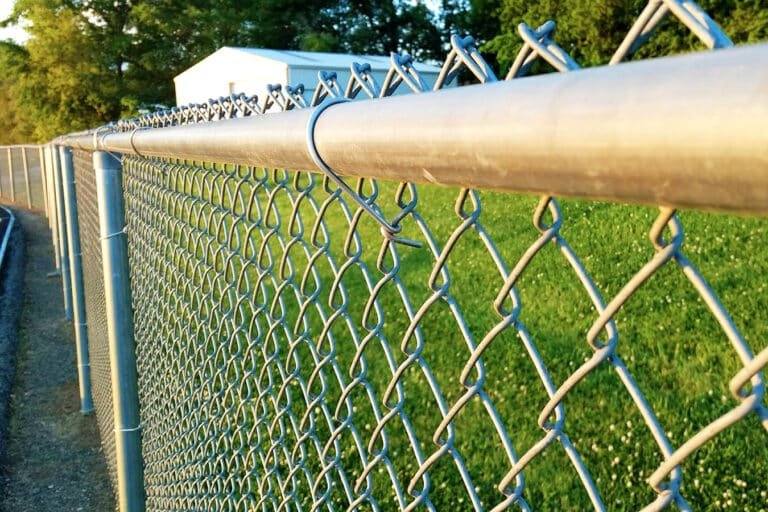
Chain link fencing is widely used in interior decoration, raising chicken, duck, goose, rabbit and the zoo enclosure used in highway, railway, highway guardrail net facilities. And chain link fence also be used to protect and support seawall, slope, road and bridge, reservoirs and other civil engineering
FAQs | Frequently Asked Question
The posts should be 1/3 the length of the post. For example:
- 6ft post = 2ft in the ground
- 5ft post = 1.6ft in the ground
- 4ft post = 1.3ft in the ground
For an average size post, you will need around 150mm of concrete.
Yes, believe it or not, they can. Opt for a fence that is over 6ft / 1.8m high, for the best chance of keeping them at bay.
Fabric comes in a variety of gauges. Gauge is the diameter of the wire; the higher the gauge number the smaller the wire diameter. Standard mill diameter tolerance is + or – .005?. Common gauges and diameters are as follows:
- 6 gauge=.192?
- 9 gauge=.148?
- 11 gauge=.120?
- 11 ½ gauge=.113?
- 12 gauge=.106?
- 12 ½ gauge=.099
Chain link fabric is available in heights of 36?, 42?, 48?, 60?, 72?, 84?, 96?, 120?, and 144?. The fabric is formed by weaving a series of spirals together. How the top and bottom of fence is finished is referred to as the selvage. Fences less than 72? must knuckle both ends by industry standard (KK). Heights of 72? and higher, are generally twisted or barbed at one end and knuckled (BK) on the other. For high security enclosures, chain link can be obtained with both ends twisted or barbed (BB).